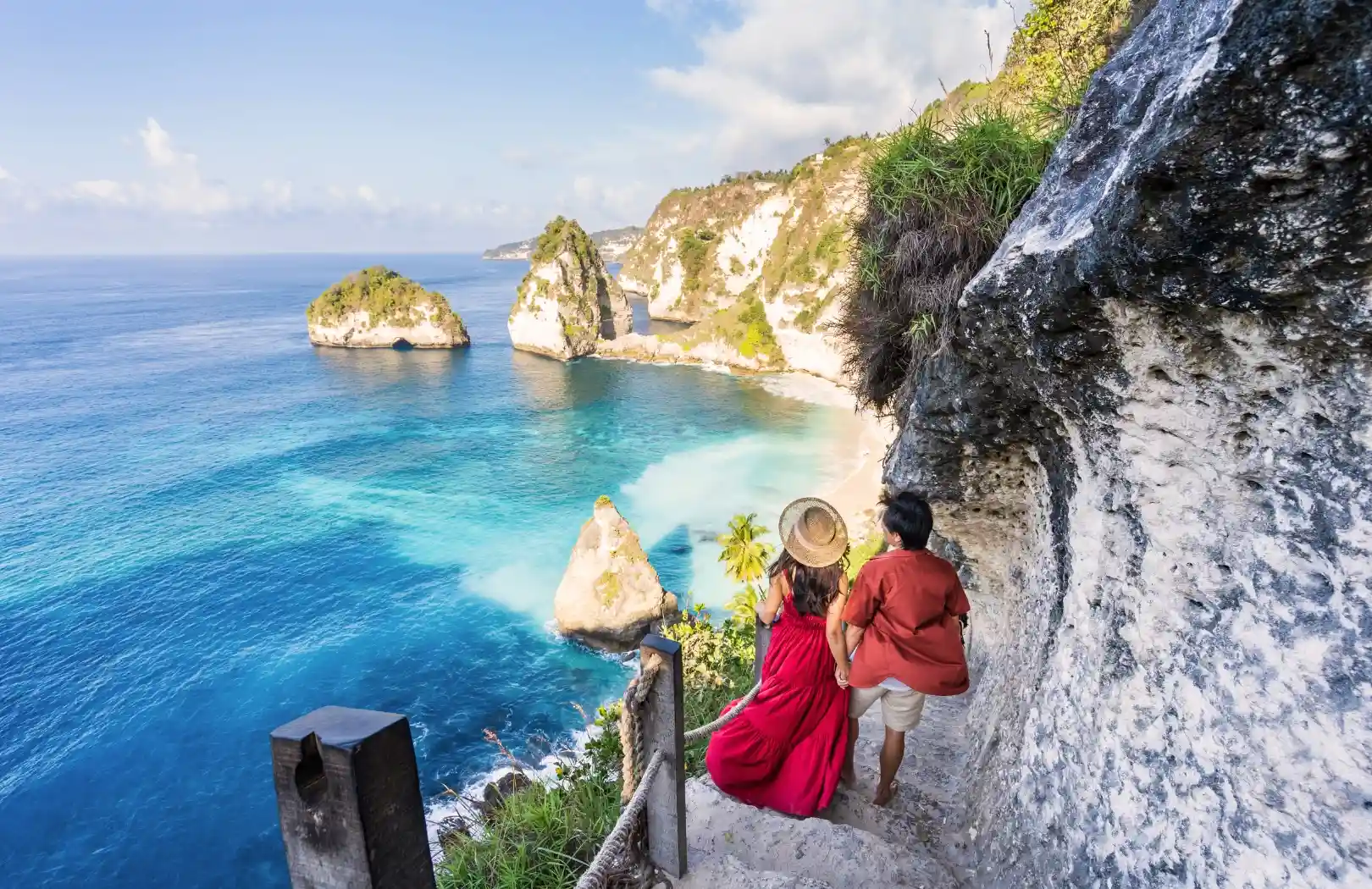
Semaya Seaweed Farms Nusa Penida
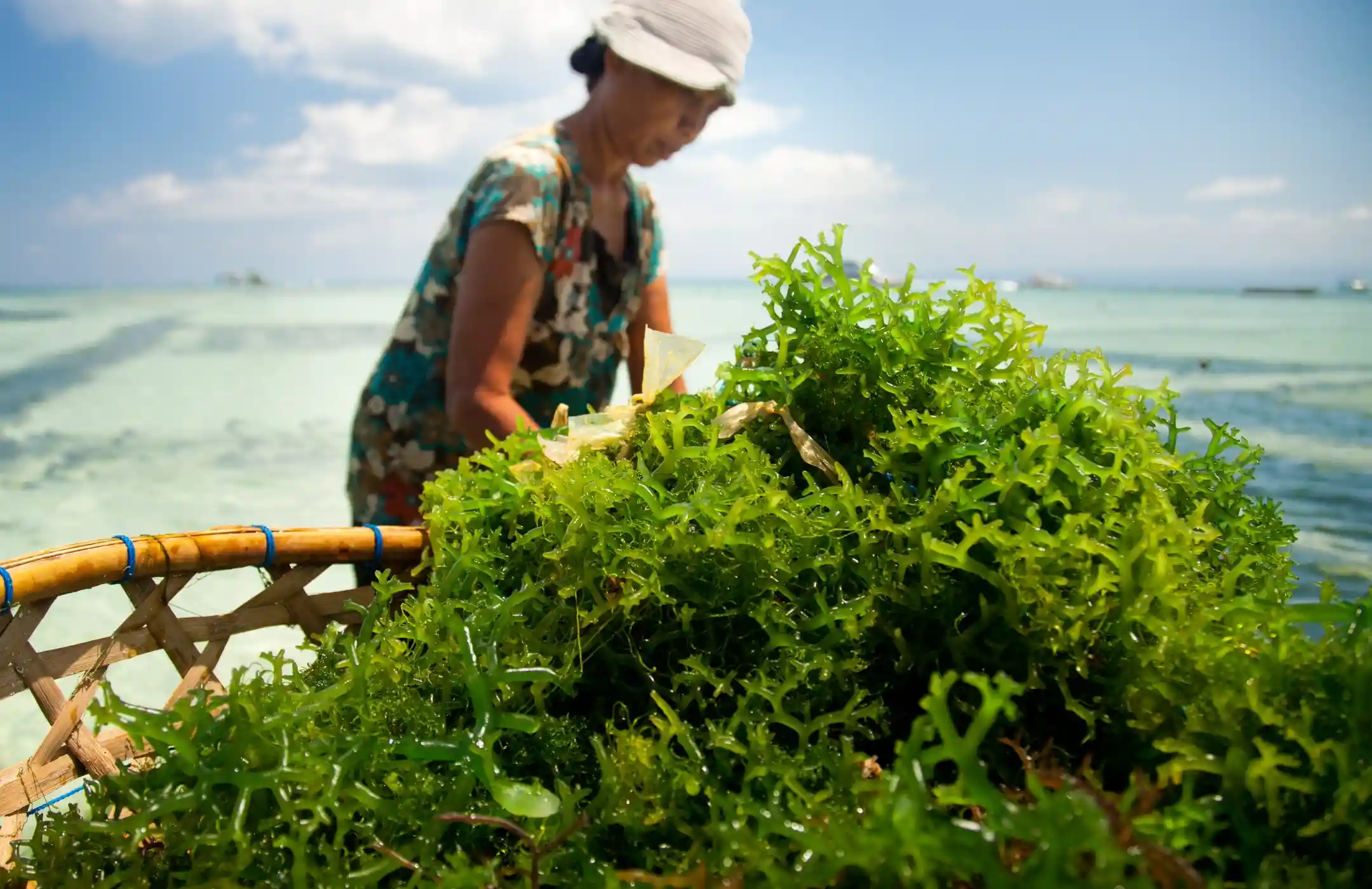
Beyond Nusa Penida’s famous cliff viewpoints, white-sand beaches, and dramatic ocean scenery, there is a quieter side of the island waiting to be discovered. Semaya Seaweed Farms offer a meaningful glimpse into the daily rhythm of coastal life in East Nusa Penida, where the changing tide, sea breeze, and patient work of local farmers shape the day.
Located in the Suana area, Semaya is known for its coastal seaweed farming activity. It is not a polished tourist attraction with large signs, ticket booths, or fixed sightseeing schedules. Instead, it is a working coastal landscape. Depending on the season, tide, and time of day, guests may see seaweed lines stretching across the shallow water, farmers tending their plots, or freshly harvested seaweed laid out to dry along the shore.
For guests staying at Casa LiMá Penida, a visit to Semaya Seaweed Farms can be a beautiful way to experience a more authentic and peaceful side of the island. It is especially suited to travellers who enjoy local culture, photography, slower travel, and meaningful encounters beyond the usual Nusa Penida highlights.
A Coastal Tradition in Nusa Penida
Seaweed farming has long been an important part of life for coastal communities across the Nusa islands. Before tourism became one of the area’s major industries, many families relied on the sea for fishing, farming, and small-scale marine cultivation. Seaweed farming remains a reminder of that close relationship between people and the ocean.
In Semaya, the work follows the natural rhythm of the water. Farmers prepare lines, attach young seaweed seedlings, tend the growing crop, harvest it when ready, and dry the seaweed before it is sold or processed further. The work may look simple from a distance, but it requires knowledge, patience, and a close understanding of the sea.
For visitors, this creates a different kind of travel experience. Rather than arriving at a viewpoint for a quick photograph, Semaya invites guests to slow down and observe. The beauty comes from the details: rows of seaweed moving gently in the water, baskets waiting on the shore, the sound of the tide, and the everyday work that continues long after visitors leave.
It is a place that reveals Nusa Penida not only as an island destination, but also as a living community.
What You May See at Semaya Seaweed Farms
Every visit to Semaya can look different. Seaweed farming depends on weather, water conditions, seasonal growth, and the tide. On some days, the shoreline may appear full of activity, with farmers working among shallow seaweed plots. On other days, the scene may feel quieter, with only lines in the water and open coastal views.
When conditions are suitable, guests may see seaweed attached to long ropes or lines in the shallower parts of the sea. These rows can create beautiful natural patterns across the water, especially when viewed in the soft light of early morning or late afternoon.
During harvest periods, seaweed may be collected and carried back to shore in baskets or containers. It is then often spread out to dry under the sun. The drying process can create a distinctive coastal scene, with natural textures and earthy colours that feel very different from the bright beaches and high cliffs often associated with Nusa Penida.
The experience is not about expecting a fixed activity or a perfect photo. It is about being open to what the coast is doing that day. A quiet walk, a conversation with a local guide, or a few moments watching the tide can be just as rewarding as seeing the full farming process.
A Meaningful Experience for Slow Travellers
Semaya Seaweed Farms are particularly suitable for guests who prefer slow, thoughtful travel. It is not an attraction designed for rushing from one photo spot to another. The atmosphere is more relaxed, more local, and more connected to everyday island life.
For couples, it can be a peaceful addition to an East Nusa Penida day. For families, it can be an opportunity to show children how coastal communities work with the sea. For photographers, the farm offers a different visual side of the island, with simple human activity, layered shorelines, open water, and changing light.
Guests who are interested in sustainability may also find the experience meaningful. Seaweed farming is a marine-based livelihood that depends on healthy coastal waters and careful local knowledge. While the wider conversation around sustainability can be complex, visiting respectfully can help travellers better understand why the ocean is so important to Nusa Penida communities.
The most rewarding way to visit is with curiosity rather than expectation. Let the place be what it is: a working coastal environment, shaped by people, weather, and the sea.
The Best Time to Visit Semaya Seaweed Farms
The best time to visit Semaya depends less on a specific hour and more on the tide and local activity. Low tide or changing tide conditions may make the seaweed plots easier to see, while certain work periods may offer a clearer view of planting, harvesting, or drying activity.
Early morning is often a pleasant time to visit because the weather is generally cooler and the shoreline can feel especially calm. Soft morning light can also be beautiful for photography, especially when the water is still and the seaweed lines create gentle patterns across the coast.
Late afternoon can bring warmer light and a more relaxed atmosphere. However, weather and road conditions should always be considered when planning your return journey. Nusa Penida roads can feel different after dark, particularly for guests who are unfamiliar with the area.
Because the farms are part of a working community, it is best not to treat them as a guaranteed daily attraction. Conditions can change, and farmers may be working at different times depending on the season. A local driver or guide may be able to offer better advice on the day of your visit.
How to Visit Respectfully
Semaya Seaweed Farms should be approached with care and respect. The shoreline is part of the local community’s workspace, not simply a backdrop for photographs. Guests are welcome to observe, but should avoid walking through active seaweed plots, stepping on farming equipment, or entering the water without permission.
Always keep a respectful distance from farmers while they work. A friendly smile or greeting is appreciated, but avoid interrupting people during harvest or preparation. If you would like to take close photographs of someone, it is polite to ask first.
Do not touch the seaweed, ropes, baskets, or equipment unless you have been invited to do so. Even small disturbances can affect a farmer’s work. It is also important to avoid leaving rubbish behind, particularly plastic bottles, food packaging, or cigarette waste that could reach the ocean.
Dress modestly and comfortably, especially when visiting smaller coastal communities. Lightweight clothing, sandals with grip, sun protection, and drinking water are all useful. Bring a reusable water bottle where possible and keep your belongings secure.
If you arrange a guided seaweed farming experience, follow the instructions of your host or guide. A local-led visit can offer deeper insight while helping ensure that your presence supports, rather than disrupts, the community.
Pairing Semaya with East Nusa Penida Attractions
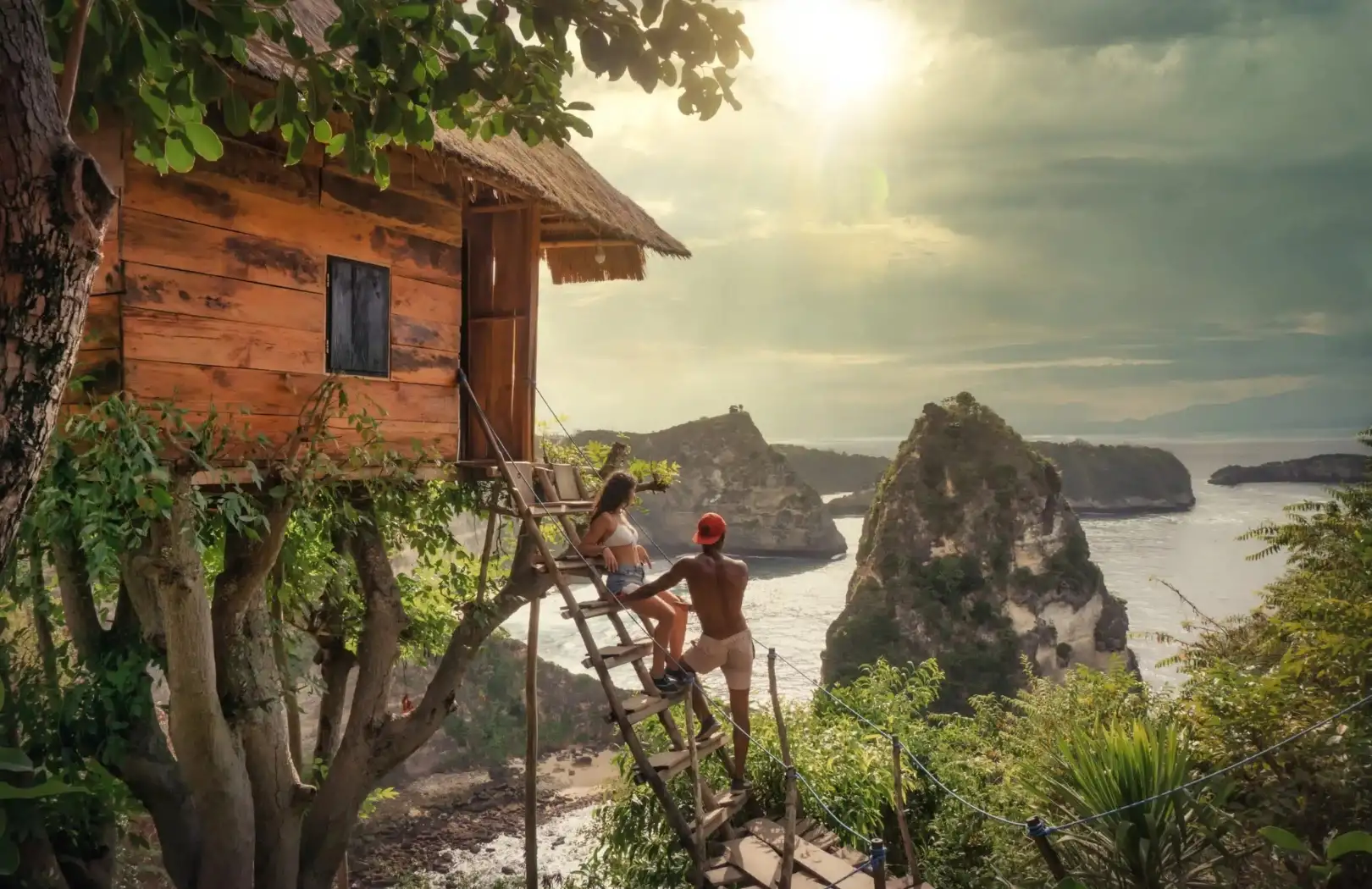
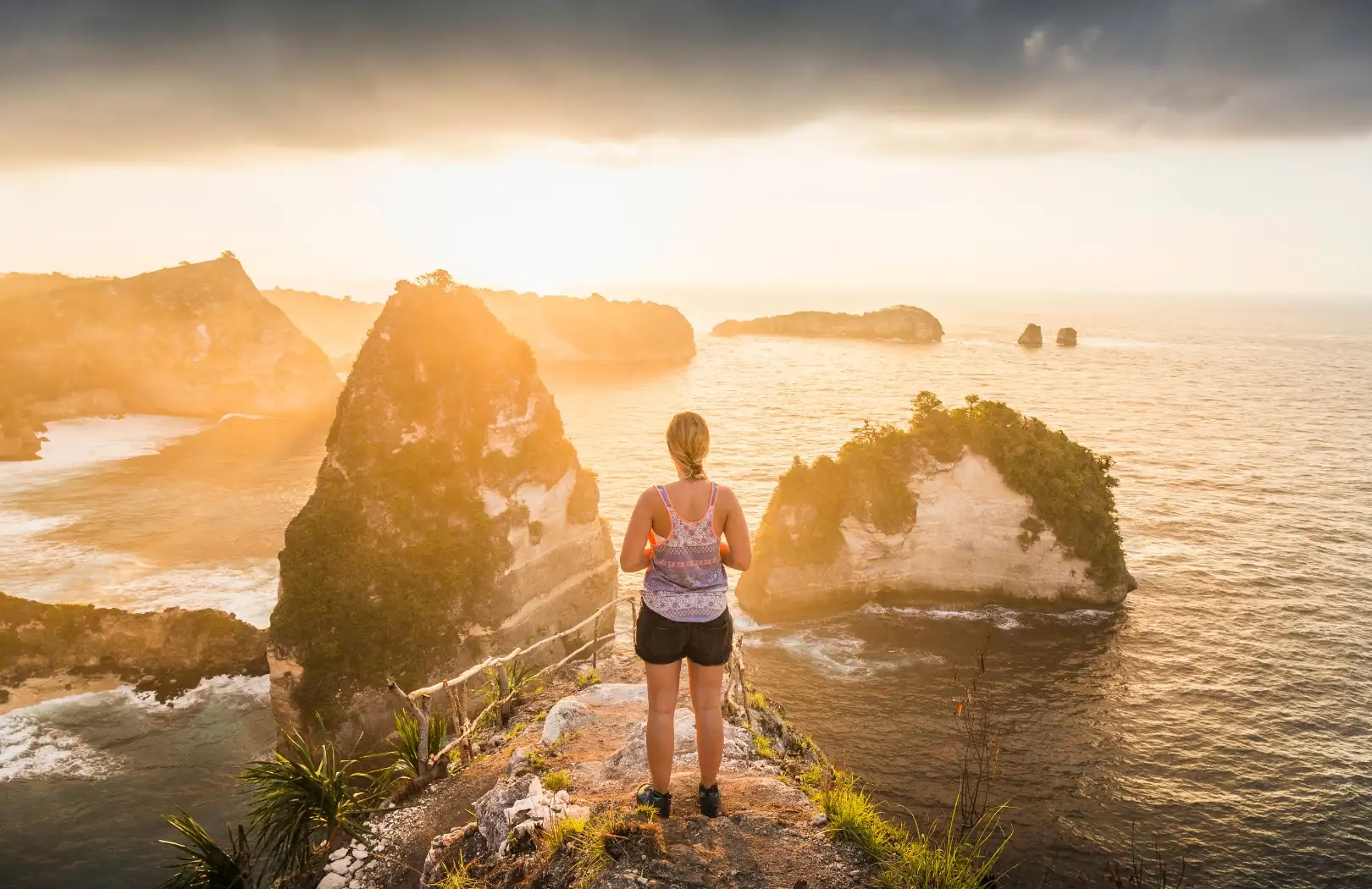
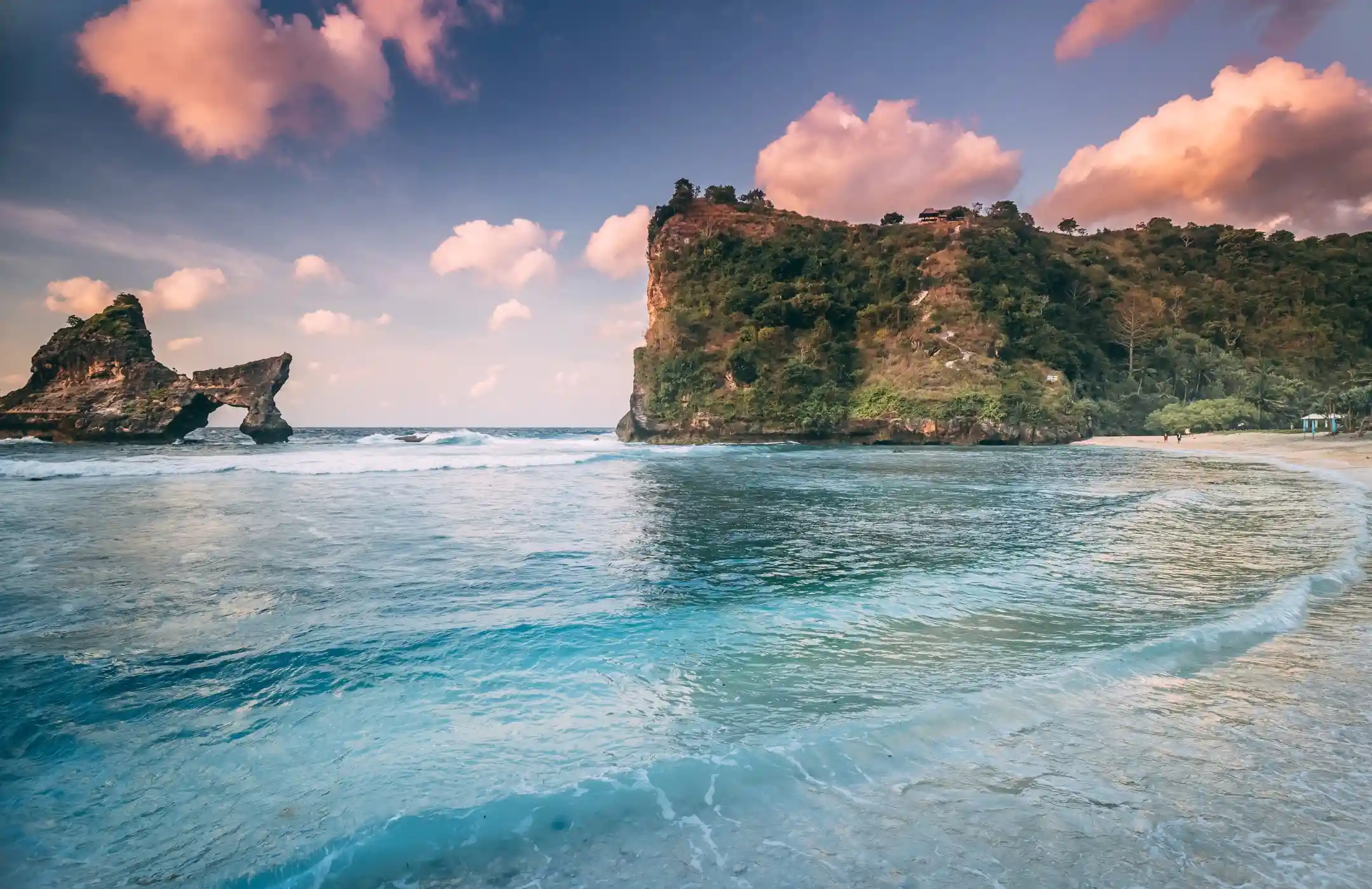
A visit to Semaya Seaweed Farms can be combined beautifully with other East Nusa Penida experiences. The slower coastal atmosphere makes a refreshing contrast to the dramatic cliffs and beaches around Diamond Beach, Atuh Beach, Thousand Islands Viewpoint, and Rumah Pohon Tree House.
Rather than trying to visit every destination in one day, consider building a relaxed route. Begin with a gentle morning at Semaya, then continue toward one or two nearby viewpoints or beaches. Leave enough time to enjoy each place without rushing.
For guests staying at Casa LiMá Penida, this approach suits the natural pace of the area. The villa’s quiet setting, ocean views, and shared infinity pool offer a peaceful return after a day of exploring. After visiting Semaya, you may choose to come back for a shower, a slow lunch, or an afternoon beside the pool before continuing with your evening plans.
The beauty of East Nusa Penida is not only in its famous landmarks. It is also found in the moments between them: local roads, coastal villages, changing skies, and the daily work that keeps island life moving.
A Different Perspective on Nusa Penida
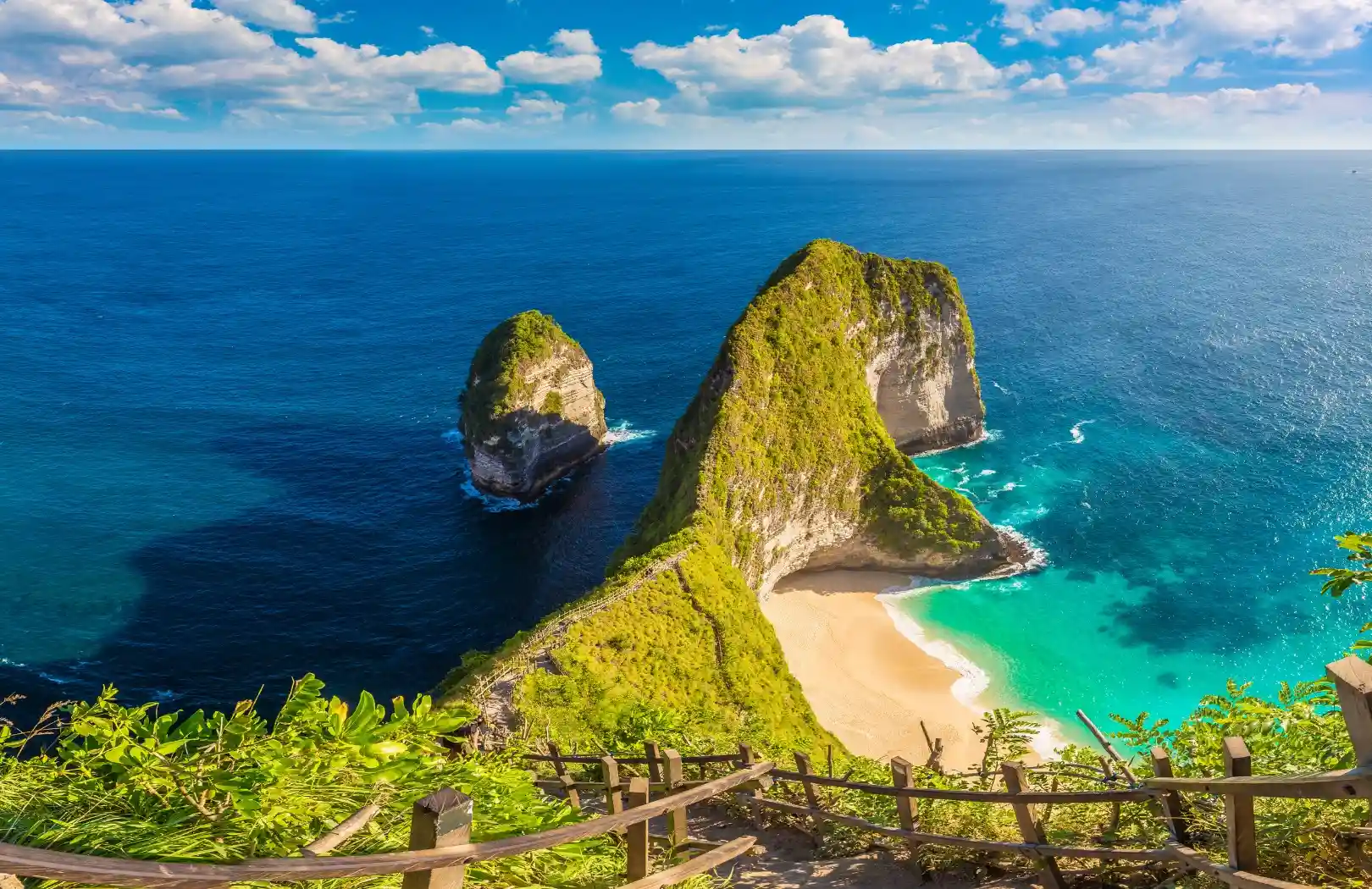
Many travellers come to Nusa Penida for its dramatic scenery. Kelingking Beach, Diamond Beach, Atuh Beach, and the island’s famous viewpoints are undeniably beautiful. However, Semaya Seaweed Farms offer something different.
Here, the landscape is not just something to look at. It is something people live with and work with every day. The sea is not only a view from a cliff or a place for a boat trip. It is a source of livelihood, knowledge, and connection.
This perspective can make a journey through Nusa Penida feel more complete. It reminds us that the island’s beauty is not separate from its people. The beaches, cliffs, farms, temples, and villages all exist together, creating the character that makes Nusa Penida so memorable.
A visit to Semaya does not need to be long or highly planned. Even a short stop can offer a deeper understanding of the island. Watch the tide, notice the seaweed lines, listen to the quiet movement of the coast, and take a moment to appreciate the work happening around you.
During your stay at Casa LiMá Penida, make time for this gentler side of Suana. Semaya Seaweed Farms offer a simple yet meaningful experience—one that invites you to travel more slowly, look more closely, and connect with the real rhythm of island life.